Marimba Money: How the Balafon Became the Power Move of America's Executive Class
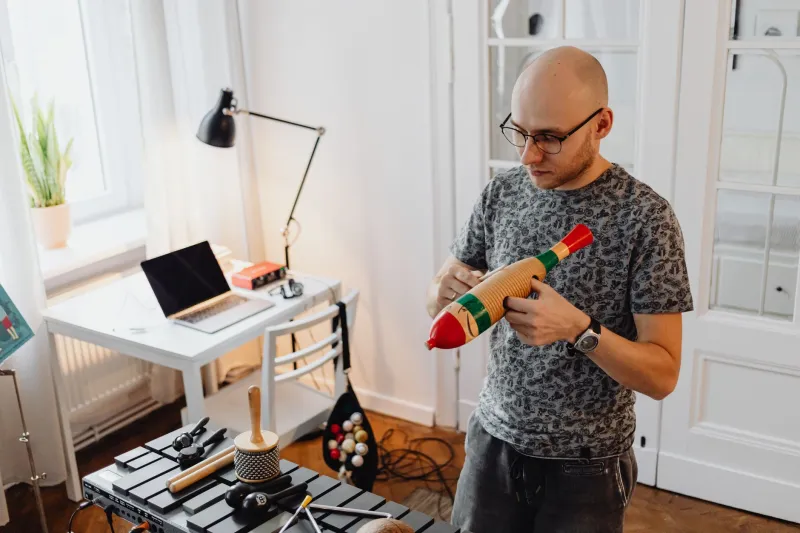
There's a particular kind of quiet flex happening in the homes of America's wealthiest zip codes right now. It doesn't involve a Porsche in the driveway or a Basquiat on the wall — though those might be there too. It's a hand-carved wooden instrument, strung with dried gourds and tuned by a craftsman in West Africa, sitting in a sun-drenched home studio or anchoring a meditation room in a Marin County estate. The balafon has arrived in the upper echelons of American luxury culture, and it's not leaving anytime soon.
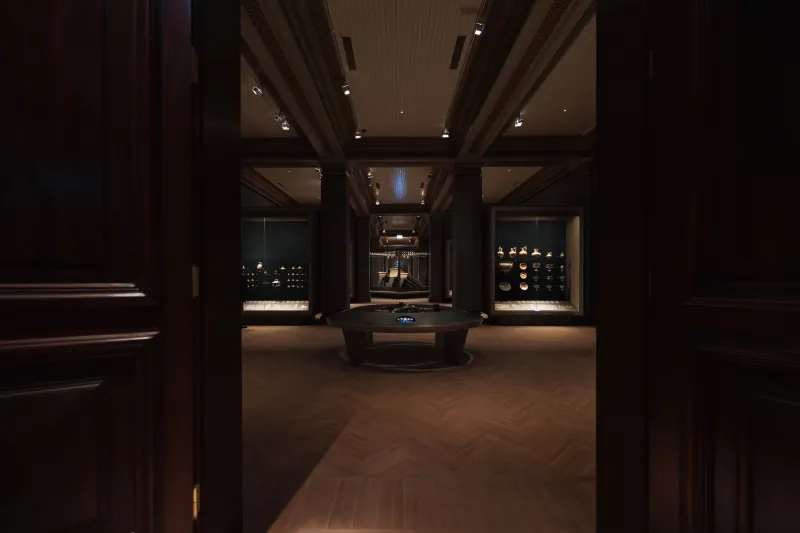
Once relegated to the "world music" corner of specialty record shops or displayed under glass in anthropology museums, the balafon — a xylophone-like percussion instrument that's been central to Mande and Griot musical traditions for centuries — is now being commissioned as a bespoke luxury object. Think custom hardwoods, personally selected gourd resonators, and price tags that can run well into five figures.
From Curiosity to Cornerstone
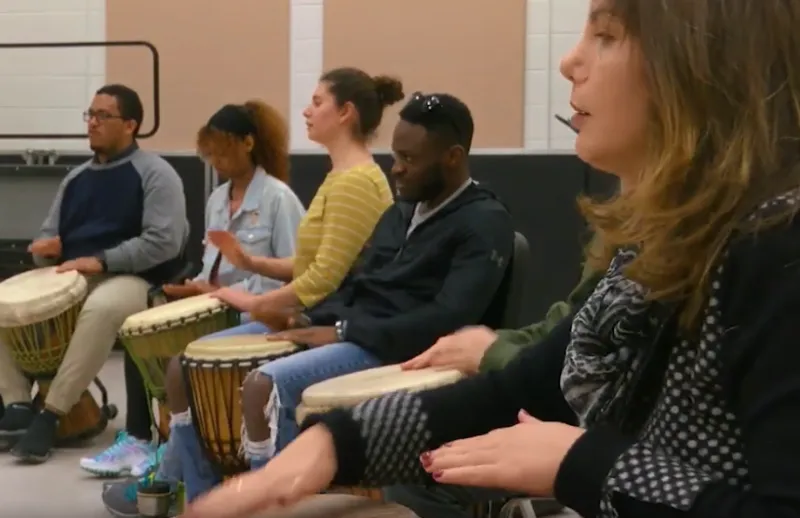
The shift didn't happen overnight. Music therapists and wellness practitioners spent years quietly introducing African percussion into mindfulness programming, corporate retreats, and stress-reduction workshops. Executives who attended those sessions started asking questions. Where does this instrument come from? Can I get one? Who made this?
Those questions eventually turned into phone calls to West African instrument makers, and those phone calls turned into wire transfers. Today, artisans in Guinea, Mali, and Burkina Faso are fielding commissions from clients in California, New York, and Texas who want instruments designed to match a specific aesthetic — sometimes a home interior, sometimes a personal wellness ritual, sometimes both.
Bryan Nguyen, a San Jose-based music consultant who helps tech clients source and learn traditional instruments, says demand has genuinely surprised him. "Three years ago I was mostly helping music schools and community centers," he told Radio Balafon. "Now I've got clients who run Series C startups asking me to connect them with balafon makers in Conakry. The appetite is real."
The Wellness Angle — and Its Complications
Part of what's driving the trend is a broader cultural shift in how high-achieving Americans think about mental health and productivity. Biohacking, meditation apps, cold plunges — the executive wellness toolkit has expanded dramatically. And somewhere in that expansion, rhythmic percussion found a foothold.
Playing the balafon isn't passive listening. It demands presence. Your hands have to move in patterns your brain hasn't learned yet. There's a tactile, almost meditative quality to striking those wooden keys that's hard to replicate with a Spotify playlist or a sound bath recording. For people whose professional lives are dominated by screens and abstraction, that physicality carries real appeal.
But the wellness framing also raises eyebrows. When an instrument that carries centuries of ceremonial, spiritual, and communal significance in West African cultures gets repackaged as a stress-relief tool for wealthy Americans, something gets lost in translation — or worse, stripped out entirely.
Djeli Moussa Kouyaté, a master balafon player and Griot from Guinea who now splits his time between Conakry and Brooklyn, is thoughtful when asked about the trend. "I'm happy when people love this instrument. It's a beautiful thing," he says. "But the balafon is not just a sound. It has history. It has spirit. It has responsibility. When someone buys it like a piece of furniture, I wonder — do they know what they're holding?"
That question deserves to sit with us for a minute.
Authenticity as a Selling Point — and a Problem
Here's the irony: one of the things that makes the balafon attractive to luxury buyers is precisely its authenticity. Executives aren't commissioning factory-made knockoffs. They want the real thing — hand-crafted by a named artisan, using traditional methods, sourced from genuine materials. Provenance matters. The story matters.
And yet, the moment an object's "authenticity" becomes a luxury selling point, it starts to drift from the culture that created it. The balafon doesn't exist in a vacuum. It exists within a living tradition of Griot musicians who inherit the instrument along with the responsibility to carry their communities' histories. It's not a decorative object. It was never meant to be.
Some instrument makers and cultural advocates are pushing back — not by refusing commissions, but by attaching conditions to them. A growing number of West African craftsmen are offering their instruments alongside educational materials, requiring buyers to learn something about the instrument's cultural context, or connecting them with teachers who can provide proper instruction.
"If you want to buy a balafon from me, I want to know you'll play it," says one Malian maker who sells internationally and asked not to be named. "And if you play it, I want you to know its name, its history, where it comes from. That's the deal."
What the Trend Actually Tells Us
Stripped of its most cynical reading, the balafon's rise in American luxury culture does reflect something real: a growing appetite, even among the most privileged Americans, for cultural depth and connection. The same executives dropping $15,000 on a custom instrument are often the ones funding African music education nonprofits, streaming Afrobeats and Highlife on repeat, and booking trips to Dakar or Accra.
That's not nothing. Cultural curiosity, when it's genuine and reciprocal, can be a bridge. The question is whether it stays curious — whether it asks questions, seeks teachers, compensates creators fairly, and resists the urge to flatten a living tradition into an aesthetic choice.
At Radio Balafon, we've always believed that the best thing African music can do is move — across borders, across generations, across living rooms in Atherton and apartments in Atlanta. But movement works best when it carries meaning with it. The balafon has survived centuries because it meant something to the people who played it. The Americans now bringing it into their homes have an opportunity — and honestly, a responsibility — to find out what that meaning is.
A beautiful instrument sitting silent in a meditation room is just furniture. The same instrument played with intention, taught with respect, and understood in context? That's something else entirely. That's where the real value lives — and no amount of money can shortcut the work of getting there.