Beyond the Display Case: How US Museums Are Finally Treating the Balafon Like the Living Legend It Is
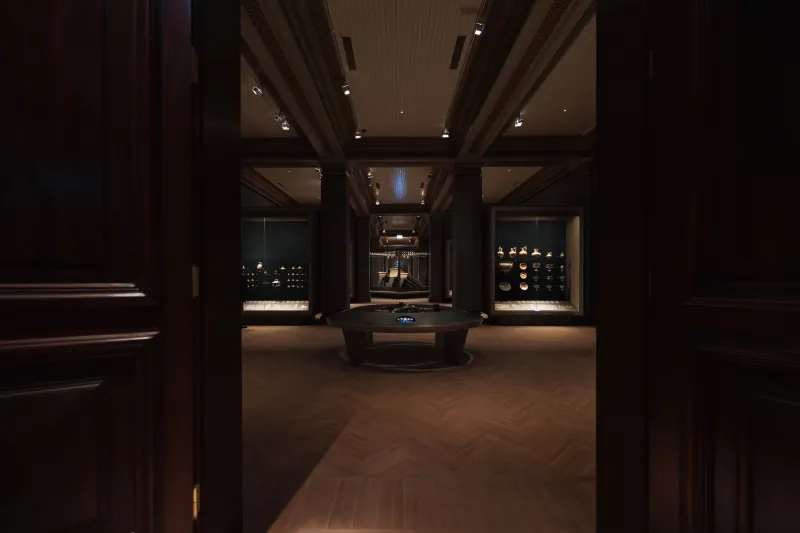
Walk into almost any major American natural history or art museum built before the 1990s and you'll find the same scene: a row of African instruments mounted behind glass, lit with the same indifferent spotlight reserved for pottery shards and fossilized bones. A handwritten placard. A vague geographic attribution. No sound. No story. No living human being in sight.
For the balafon — a West African wooden xylophone with a history stretching back over a thousand years — that treatment has been particularly jarring. This is an instrument that still anchors weddings, funerals, harvest festivals, and royal ceremonies across Guinea, Mali, Burkina Faso, and beyond. It's an instrument that professional musicians spend decades mastering. And for most of the twentieth century, American museums were presenting it like a curiosity from another planet.
That's starting to change. And the shift, according to curators and cultural institutions across the country, is overdue.
The Problem With "Artifact" Thinking
The core issue isn't just aesthetics — it's framing. When a museum labels an instrument an "artifact," it implies the thing belongs to the past. It signals that the culture which produced it is static, frozen at the moment of collection. For African instruments like the balafon, that framing has carried a particularly loaded history.
"There's been this long tradition in Western museums of presenting African objects as ethnographic specimens rather than as products of sophisticated artistic traditions," says one curator at a Midwest institution who has spent the last several years overhauling her museum's African music holdings. "The balafon would be sitting in the same case as agricultural tools. No context about the Sosso Bala, no mention of the griots who carry this lineage. Just: wooden instrument, West Africa, nineteenth century."
The Sosso Bala, for the uninitiated, is the legendary balafon said to have belonged to the sorcerer-king Sumanguru Kante — a figure central to the founding epic of the Mali Empire. It's considered one of the most sacred objects in Mande culture and is still housed and ceremonially played in Niagara, Guinea. It's the kind of backstory that makes the balafon one of the most historically significant instruments on earth. And most American museum visitors have never heard a word of it.
What a "Living Instrument" Exhibition Actually Looks Like
Several institutions are now experimenting with a fundamentally different approach — one that treats the balafon not as a relic but as a participant in an ongoing cultural conversation.
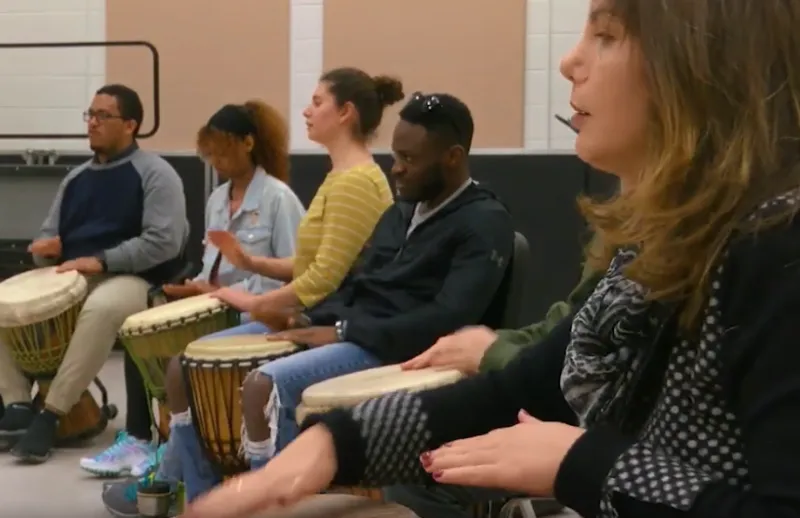
At one East Coast museum that recently redesigned its West African gallery, the centerpiece isn't a static display. It's a performance alcove, scheduled programming, and a rotating artist residency that brings working balafon players into the space several times a month. Visitors don't just read about the instrument — they watch it being played, hear explanations from the musicians themselves, and in some cases get to try a teaching balafon set up nearby.
"The engagement numbers are completely different," the gallery's lead curator noted. "When there's a musician in the room, people stop. They ask questions. They stay twenty, thirty minutes longer than they would have otherwise. The instrument becomes a conversation rather than a conclusion."
That shift — from conclusion to conversation — is exactly what advocates have been pushing for. Organizations that support African traditional music in the US have long argued that the museum model needed to catch up with what scholars, musicians, and diaspora communities already knew: that African music traditions are dynamic, not dormant.
Whose Voice Is in the Room?
One of the thorniest questions driving these changes is deceptively simple: who gets to tell the story?
For decades, the narrative around African instruments in American museums was constructed almost entirely by non-African academics and collectors. The instruments were acquired — sometimes under circumstances that bear uncomfortable scrutiny — and then interpreted through a Western scholarly lens. The communities those instruments came from had little to no say in how they were displayed or described.
The new wave of exhibition design is trying to correct that imbalance. Several institutions have begun formal partnerships with West African cultural organizations, consulting with griots and master musicians on everything from label copy to gallery layout. Some have hired African or African-diaspora curators specifically to lead these redesigns.
"It's not just about adding a QR code with a YouTube video," says one cultural consultant who has worked with multiple US institutions on African music programming. "It's about asking, from the beginning: what does this community want people to understand? What's the story they want told? And then actually listening to the answer."
That process has surfaced some surprising insights. In several cases, community consultants pushed back on displaying certain instruments entirely — not because they objected to public education, but because some objects carry ceremonial significance that makes public display inappropriate. Learning what not to show has turned out to be just as important as learning how to show what remains.
The Audience Is Ready
Here's something the numbers keep confirming: American museum audiences are genuinely hungry for this kind of programming. African and world music events at cultural institutions consistently outperform attendance projections. Exhibitions that incorporate live performance and community-led interpretation generate stronger social media engagement and higher return visitor rates than their static counterparts.
Part of that appetite comes from demographic shifts — a younger, more diverse museum-going public that is less willing to accept the old colonial framing. Part of it comes from the broader cultural moment, in which African music has become genuinely mainstream in American popular culture. If you've heard Afrobeats on a Spotify playlist, caught a kora riff in a film score, or watched a balafon sample get flipped by a hip-hop producer, you already have an entry point. The museum just needs to meet you there.
"People come in having heard this sound somewhere and not knowing what it was," one curator observed. "When they see the instrument and hear it live, there's this moment of recognition. That's when the real learning happens."
Still a Long Way to Go
None of this means the work is done. Acquisition histories still need to be examined. Repatriation conversations are ongoing and complicated. Many smaller institutions across the country still have African instrument collections gathering dust in storage, without the funding or expertise to address them thoughtfully.
And there's a real risk that the "living instrument" approach becomes its own kind of performance — a feel-good programming choice that doesn't actually shift institutional power or resources toward African musicians and communities.
But something genuine is moving. The balafon, which has survived empires and colonial disruption and a century of being misrepresented in Western institutions, is finding its way into a new kind of conversation. One where the instrument gets to speak — and someone is finally set up to listen.
At Radio Balafon, that's the kind of story we're here for.